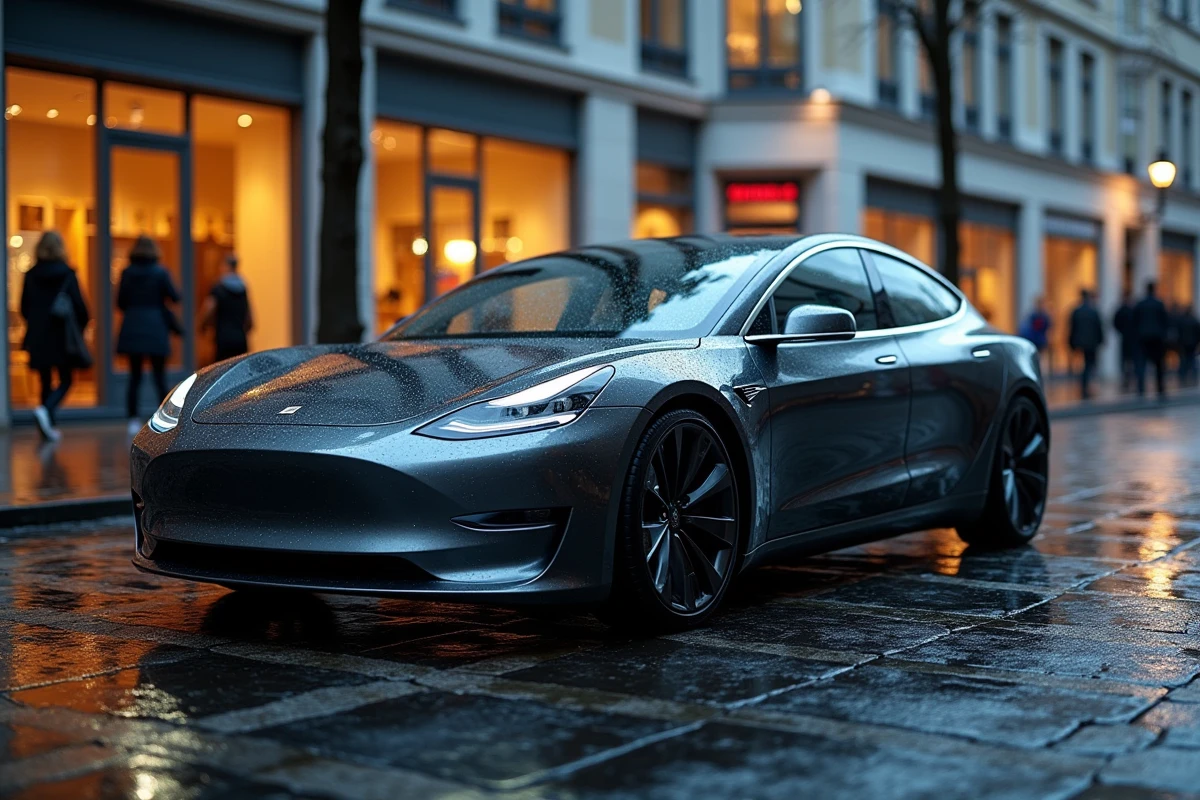
The French automotive market is rapidly reshaping its powertrains and segments. Hybrids now capture the top spot in new vehicle sales, SUVs dominate as the leading format, including in the luxury sector, and electric vehicles are advancing according to a pricing logic that strongly segments the customer base. These three dynamics are redefining the choices of manufacturers and buyers.
Hybrid Powertrain: The Leading Energy in the French Market
The shift is clear. By May 2026, hybrid powertrains will account for over 43% of new car sales in France, across all technologies (HEV and PHEV). This figure places hybrids ahead of pure gasoline and far ahead of diesel, which continues its structural decline.
This dominance reflects a pragmatic choice. Hybrids offer reduced consumption without imposing the constraints of a 100% electric vehicle: no dependence on charging stations, no anxiety related to highway range. For the majority of buyers, it is the most understandable compromise between operating cost and energy transition.
Manufacturers are supporting this trend by multiplying hybrid variants across their flagship models, even in segments where diesel was still dominant recently. This automotive trend is not just a passing fad: it reflects a lasting change in the market structure. To discover the auto section of Blog Introduction, several reports detail the month-by-month evolution of registrations by energy type.
Premium Electric Vehicle: A Two-Tier Market
The electric vehicle is progressing, but not uniformly. In 2026, electric models priced above 45,000 euros will represent 28% of new registrations in their price segment. The electric dynamic is primarily driven by a clientele with a high budget.
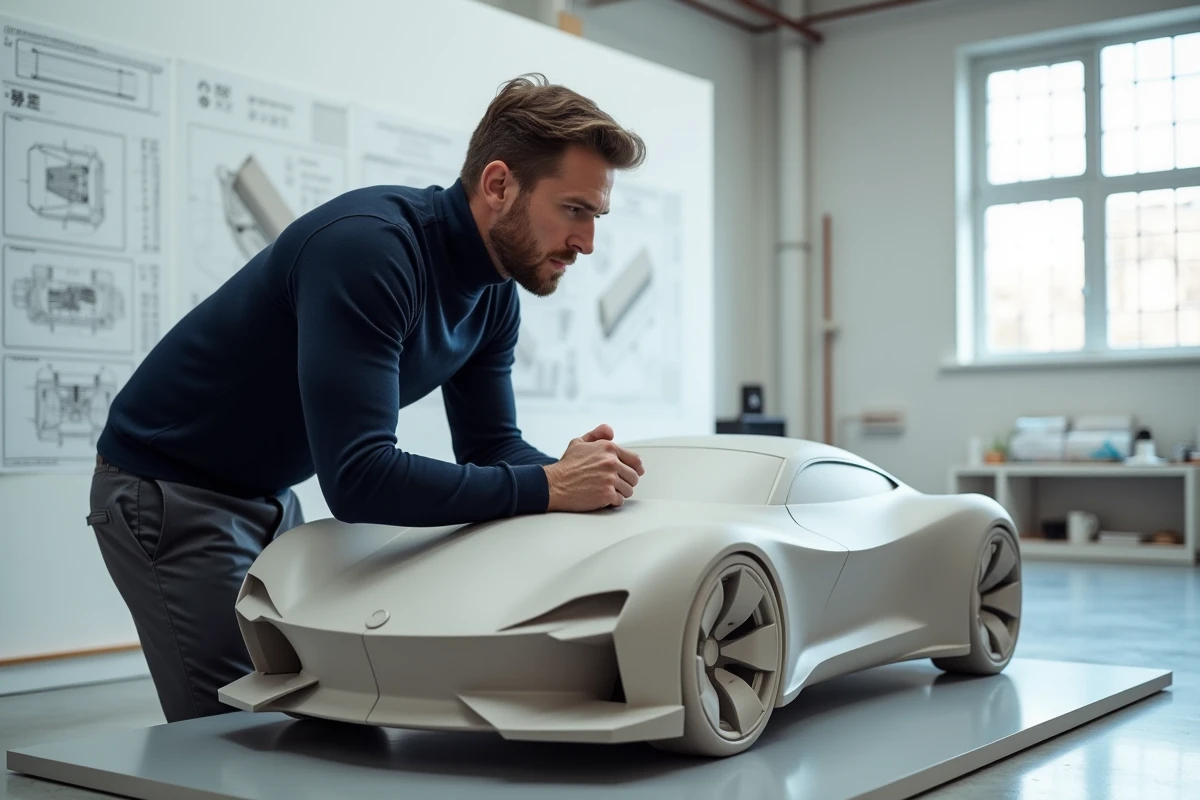
This imbalance can be explained by several concrete factors:
- The cost of batteries remains the largest expense in the production of an electric car, making entry-level models less competitive compared to an equivalent hybrid.
- Premium brands (Tesla, BMW, Mercedes) have sufficient margins to absorb part of the battery cost while offering attractive finishes and range.
- The ecological bonus, when it exists, does not always compensate for the price gap for households on a tight budget.
The mid-range 100% electric segment remains more hesitant. Several manufacturers are announcing models around 25,000 euros, but their actual availability and profitability remain to be confirmed. The electric market is structuring itself from the top down, and this segmentation conditions the overall pace of the transition.
SUV and Luxury Cars: A Dominance Redefining Ranges
The SUV is no longer a trend: it is the standard format. In the global luxury car market, industry studies predict that SUVs will account for about 62% of the luxury market share by 2026. Even brands historically associated with sedans are shifting their range towards elevated crossovers.
This shift has direct consequences for the automotive industry. Production lines are adapting, modular platforms favor high ground clearance, and traditional sedans are becoming rarer in catalogs. A buyer looking for a compact sedan or a classic touring car sees their choices diminish year by year.
For the premium segment, the SUV combines two advantages: it offers generous interior space compatible with the large batteries of electric powertrains, and it responds to a global demand driven by China and North America. The high-end electric SUV is becoming the reference vehicle for manufacturers looking to combine volume and margin.
Euro 7 Standards and Regulatory Timeline: What Changes for Manufacturers
The Euro 7 standards, repeatedly postponed, remain a structuring factor for industrial choices. Their gradual implementation forces manufacturers to recalculate the commercial lifespan of each thermal model. Some are prolonging gasoline or diesel vehicles in Europe to amortize investments, while others are accelerating their electric launches in other markets.
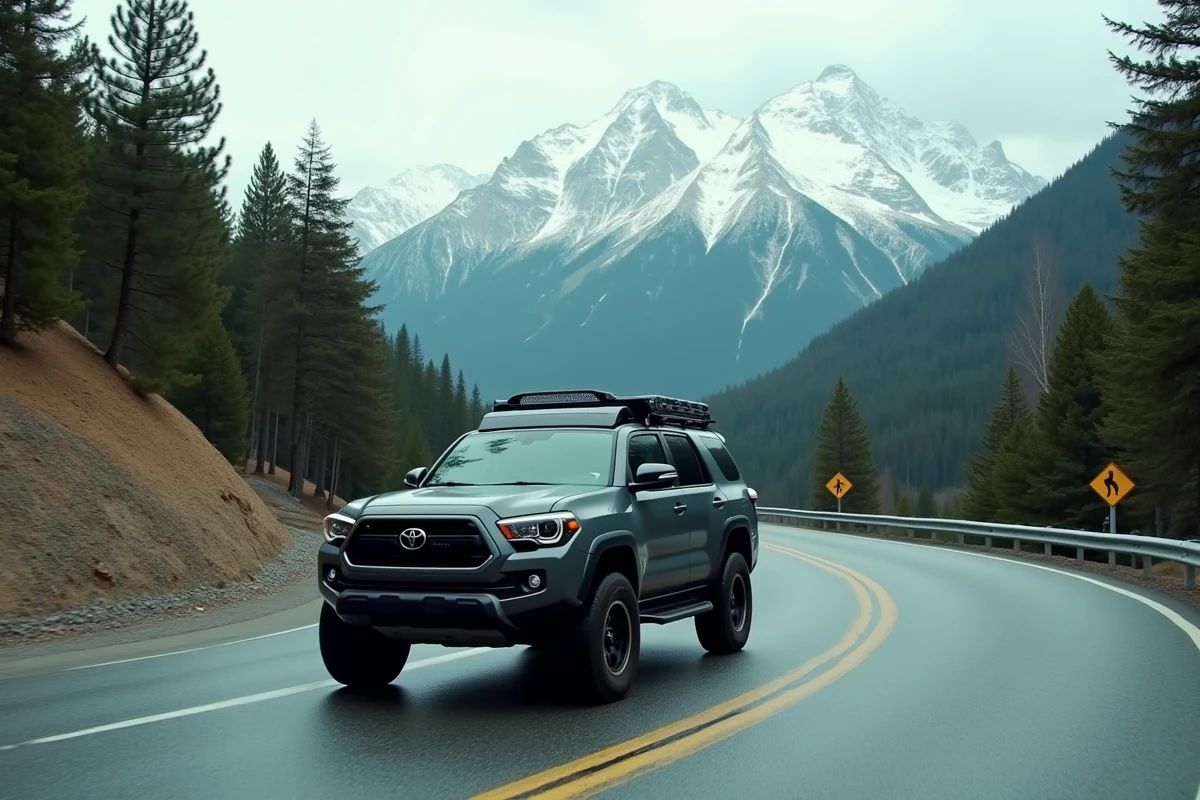
This duality creates a visible gap in catalogs: the same manufacturer may offer an updated thermal SUV in Europe and a 100% electric model in China, designed on a different platform. Regulation not only dictates the permissible emissions, but also shapes the mobility strategy of each brand on a global scale.
The regulatory timeline also impacts prices. Each additional technical constraint increases the production cost of thermal engines, which mechanically reduces the gap with electric powertrains. This cost convergence could accelerate the shift, but it also depends on the subsidy and tax policies specific to each European country.
The automotive market of 2026 is not just a match between electric and thermal. The real dividing line lies between buyers who can access the premium electric segment and those who find in hybrids a suitable response to their budget and usage. Manufacturers who can cover these two realities without sacrificing the profitability of their residual thermal range will have a structural advantage in the years to come.