In cooking, juggling with measurements can quickly become a headache, especially when it comes to converting volumes. Recipes often vary from one country to another, sometimes using cups, sometimes milliliters. This diversity can complicate the preparation of tasty dishes.
To avoid mistakes and approximations, a few simple tips can prove invaluable. For example, memorizing key equivalents like 1 cup equals 240 milliliters or 1 tablespoon equals 15 milliliters helps gain precision. Using appropriate tools, such as measuring cups or electronic scales, also facilitates these conversions.
Understanding Measurement Units and Their Conversion in Cooking
In the culinary arts, precision is essential. Recipes often require volume conversion to ensure consistent results. The measurement units used vary depending on the ingredients: liquid ingredients such as oil, milk, or sauces are generally measured in milliliters or liters. In contrast, dry ingredients like flour, sugar, and spices require precise measurements to guarantee the success of the dishes.
To facilitate conversions, it is useful to know a few basic equivalents:
- 1 cup = 240 ml
- 1 tablespoon = 15 ml
- 1 teaspoon = 5 ml
Volume conversion often involves switching between different units of the International System of Units (SI): milliliters (ml), centiliters (cl), and liters (L). For example, converting 200 ml to cl gives 20 cl. This type of calculation is fundamental for adapting recipes to different contexts, especially in professional catering where precision is key.
| Unit | Equivalent |
|---|---|
| 1 liter | 1000 ml |
| 1 milliliter | 0.001 liter |
| 1 centiliter | 10 ml |
Using appropriate measuring tools, such as measuring cups and kitchen scales, is essential for obtaining precise and reliable measurements. Volume conversion ensures that proportions are correctly followed, thereby guaranteeing the success of the prepared dishes.
Tips and Methods for Accurate and Easy Volume Conversions
To master volume conversions in cooking, several tools and methods can be employed. Use conversion tables to adjust proportions based on the number of diners. These tables offer flexibility and consistency in culinary results, especially when it comes to complex recipes.
Mobile applications and online calculators greatly facilitate measurement conversions. These tools allow for quick conversion of volumes and weights, ensuring essential precision for the success of dishes.
It is necessary to consider the density of ingredients for certain conversions. For example, converting milliliters to grams requires knowing this density, as 1 ml of water does not weigh the same as 1 ml of flour or oil.
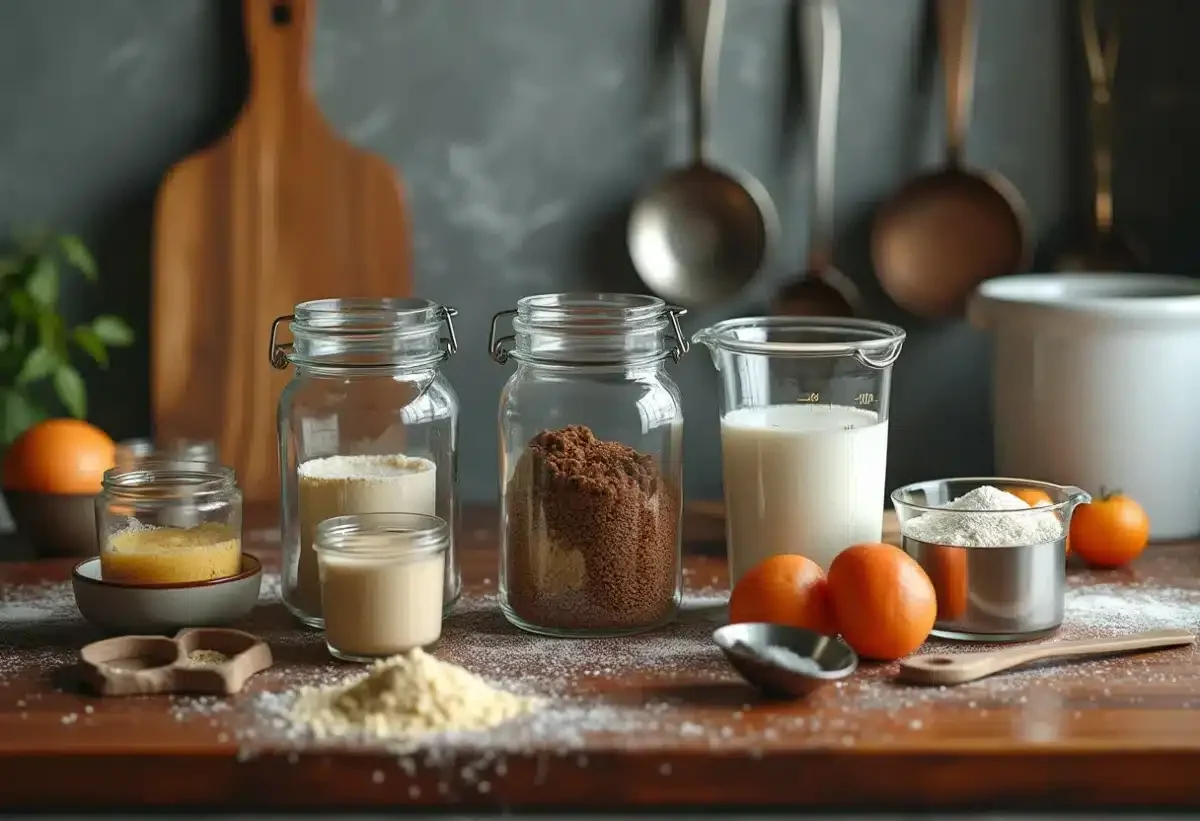
Among the essential measuring tools in the kitchen are measuring cups, measuring spoons, and kitchen scales. These instruments allow for precise measurement of liquid and dry ingredients, ensuring correct proportions.
- Measuring cups: suitable for liquids, often marked in milliliters and centiliters.
- Measuring spoons: ideal for small quantities, such as spices and herbs.
- Kitchen scales: essential for measuring the weight of dry ingredients.
Experience and intuition also play a significant role. By combining these elements with precise measuring tools and reliable conversion methods, you will ensure consistency and success in your culinary preparations.