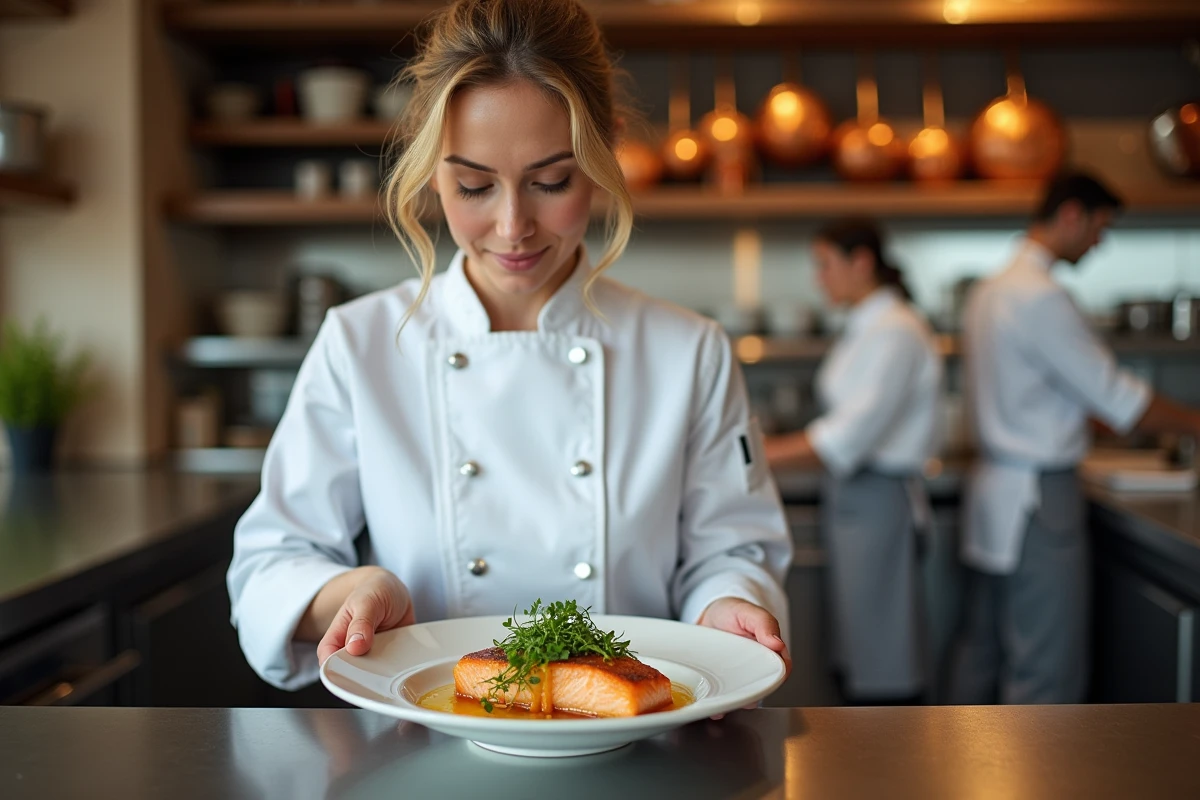
The culinary trends of 2025 are no longer being created in palace kitchens. They emerge on FoodTok, spread through recommendation algorithms, and then make their way to restaurant menus and supermarket shelves. Understanding this diffusion mechanism changes the way we analyze the delicious recipes that dominate the season.
Viral Recipes and Short Formats: The Real Factory of Culinary Trends
The main driver of current culinary trends is the short video format. Content types like “one-pot pasta,” “sheet pan dinners,” or “dump recipes” accumulate considerable view counts on TikTok and Instagram Reels. TikTok now treats FoodTok as a strategic vertical, meaning the platform actively promotes this content in its discovery algorithms.
We observe a direct consequence on the very structure of recipes. The viral recipe is designed for scrolling, not for plating. It prioritizes a short preparation time, a single cooking plan, and visually contrasting ingredients. The result: the dishes that “work” online dictate what consumers buy in stores, well before traditional culinary media relay the trend.
This phenomenon explains why certain flavors appear simultaneously in very different contexts. A condiment popularized by a viral video finds its way into restaurant chain offerings within weeks, and then into supermarket products. Professionals who track these cycles via gastronomiedujour.fr gain valuable time over their competitors to adapt their menus or offerings.
Generative AI and Personalization of Delicious Recipes
The other structural mutation goes unnoticed by the general public. Since 2024, platforms like Marmiton or Samsung Food have integrated generative AI features that create recipes in real-time. The principle: the user inputs the contents of their fridge, dietary constraints, or a health profile, and the algorithm generates a complete menu.
AI does not just suggest recipes; it shapes what becomes trendy. When an ingredient is massively available in season and the algorithm proposes it to millions of users simultaneously, it creates a measurable trend effect on social media and at the point of sale.
We recommend monitoring product updates from these platforms. Their default ingredient choices, preferred flavor pairings, and batch cooking suggestions become advanced trend indicators, sometimes more reliable than forecasts from food styling agencies.
Batch Cooking and No-Shop Menus
AI-optimized batch cooking represents a concrete use case. The algorithm calculates the exact quantities to avoid waste, proposes recipes that share a common base of ingredients, and sequences the preparation in a single session. This format appeals to a busy urban clientele looking for homemade dishes without dedicating their evenings to cooking.
Carbon Display in Restaurants: A Culinary Trend with Regulatory Impact
Several restaurant chains are testing the display of a carbon score or environmental footprint directly on their menus. This approach goes beyond simple marketing. It concretely alters the composition of the dishes offered, as high-footprint products (imported red meat, certain farmed fish) penalize the overall menu score.
- Recipes based on legumes and whole grains gain visibility on menus, not out of ideological conviction from the chef, but because they improve the displayed score
- Short supply chains and seasonal products become a measurable differentiation lever for consumers comparing scores between establishments
- Fermentation and natural preservation techniques (pickles, lacto-fermentation) allow for the valorization of local products year-round without resorting to imports
The carbon display transforms the restaurant menu into a communication tool. Customers read not only flavors but also sourcing choices. For professionals, this means rethinking technical sheets by integrating an additional parameter.
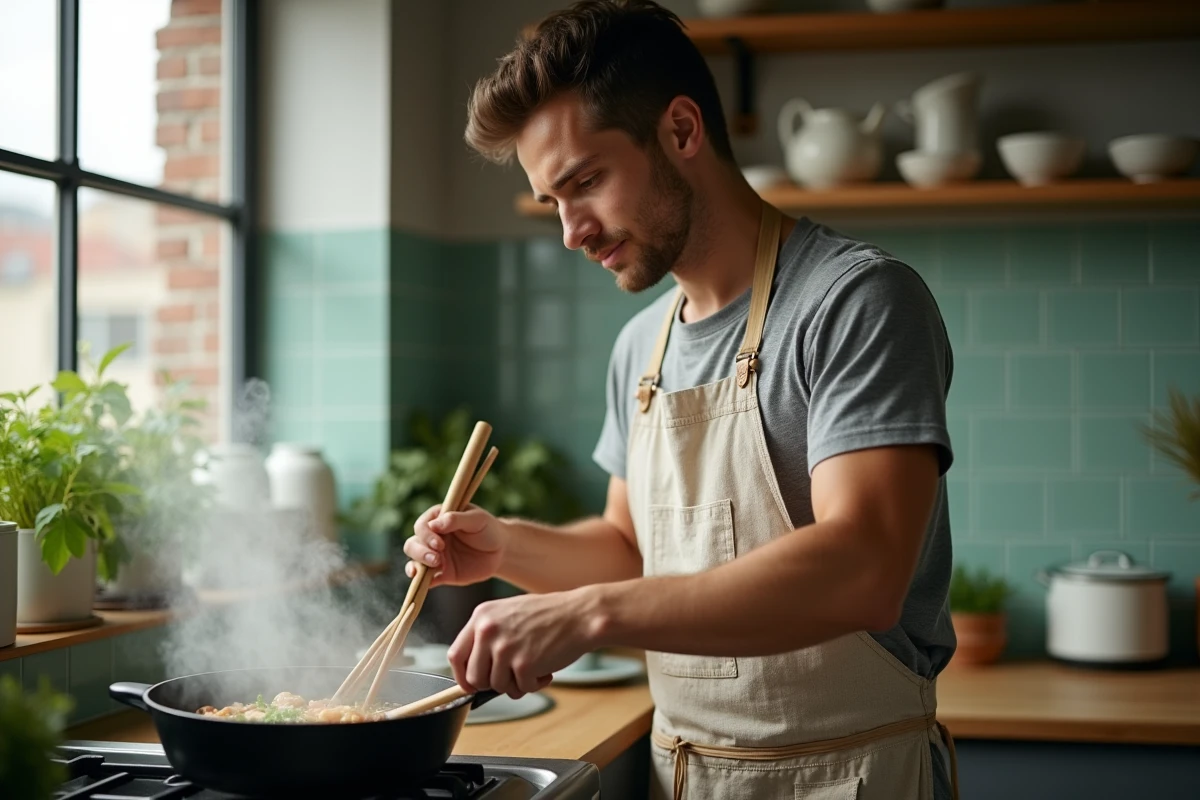
Fermentation and High-Heat Cooking: Techniques Redefining Flavors in 2025
Fermentation is not new, but its use in restaurants has changed scale. Pickles and fermented condiments have moved from being a garnish to a structuring element of the dish. Seasonal vegetable kimchi, chickpea miso, lacto-fermented hot sauce: these preparations bring umami depth that allows for a reduction in animal protein without sacrificing taste satisfaction.
High-heat cooking is experiencing a parallel resurgence of interest. Michelin Guide inspectors identify this technique among the notable trends of the season. Direct fire caramelizes surfaces, concentrates flavors, and produces textures that are impossible to replicate in a conventional oven.
Combinations to Watch
The combination of fermentation and high-heat cooking yields particularly interesting results. A fermented root vegetable then grilled over coals develops a complex aromatic palette: lactic acidity, smoky notes, caramelized sweetness. It is this type of layering of techniques that distinguishes memorable delicious recipes from simple trend executions.
- Lacto-fermented kohlrabi, grilled over binchotan, hazelnut condiment
- Beet in homemade garum, direct cooking over vine clippings
- Celeriac confit in koji, finished over high heat, reduced covering juice
These techniques require preparation time in advance but simplify service, making them compatible with the constraints of daily restaurant operations as well as with home batch cooking.
The culinary trends of this season share a common point: they are born at the intersection of technology (AI, social networks) and a return to ancient technical gestures (fermentation, direct fire). Professionals and informed amateurs who master this dual reading stay ahead of what consumers will want to find on their plates in the coming months.