
The shipping fees on Vinted are not just a simple recharged shipping cost. They aggregate several lines: the actual transport, the platform’s commission (known as “Buyer Protection”), and the applicable VAT. This layering of pricing, hidden behind a single total price at checkout, fuels a controversy that goes beyond the mere feelings of dissatisfied buyers.
Technical breakdown of fees charged to Vinted buyers
The amount displayed at checkout includes three distinct components. The pure logistics cost, negotiated by Vinted with its partner carriers (Mondial Relay, Colissimo, UPS, Relais Colis), varies according to the weight of the package and the geographical area. This is supplemented by the Buyer Protection fees, calculated based on a formula that includes a percentage of the item’s price and a fixed amount, generally around 5% + €0.70.
The third component, VAT, is included in the Buyer Protection fees. Its rate varies from transaction to transaction depending on the country of residence of the buyer and the seller. This variability explains why two purchases at the same face value generate different total fees.
We have regularly detailed the shipping fees on Vinted on Oka Mag, and the observation remains the same: the platform does not clearly distinguish these three lines in the payment interface, which fuels misunderstanding.
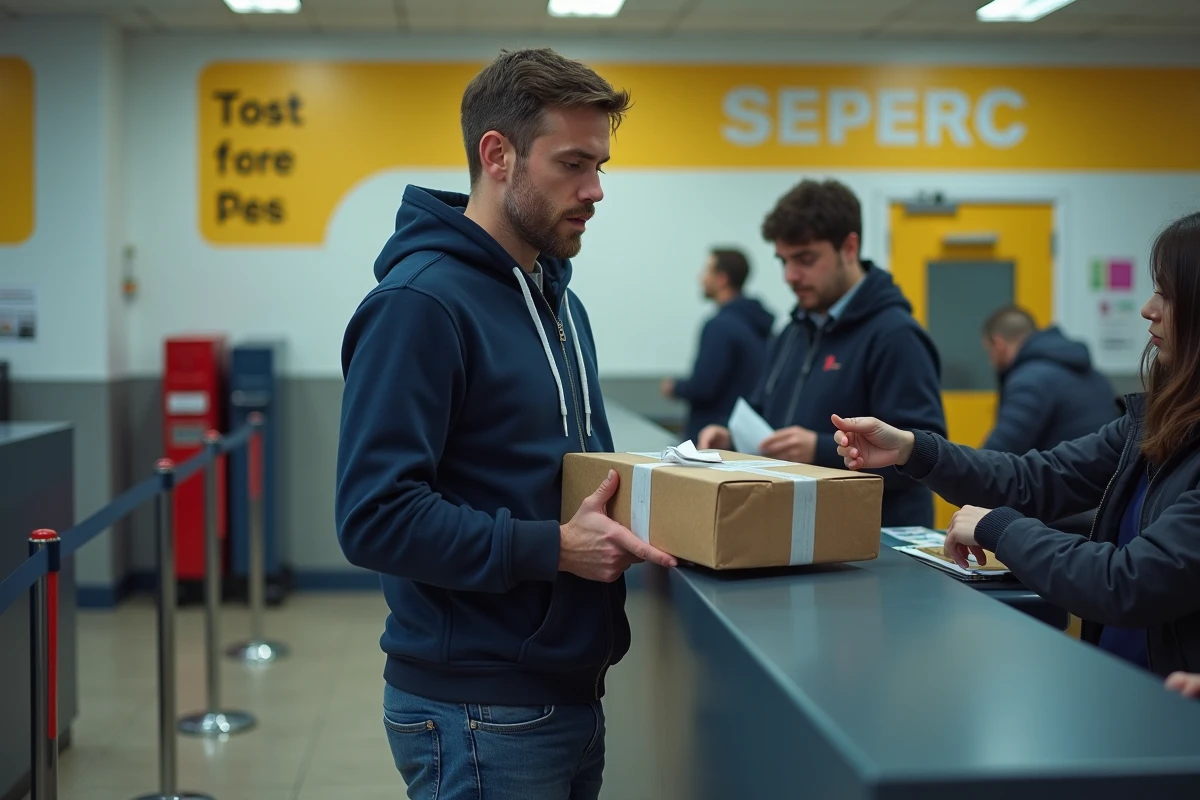
Vinted shipping fees and carrier choice: a misunderstood price gap
The choice of carrier is not entirely free. It depends on the options activated by the seller in their shipping settings and the declared size for the item. A buyer may find themselves facing only one option (UPS, for example) while the seller thought they had opened all possibilities.
International transactions amplify the problem. A German buyer ordering from France often sees significantly higher shipping fees, sometimes without a Mondial Relay alternative. Vinted’s cross-border pricing grid remains opaque, and sellers have no visibility on the final amount presented to the foreign buyer.
This gap creates a losing situation for both parties: the seller receives messages from prospects who deem the fees excessive, and the buyer backs out of the transaction. However, the seller has no leverage over the displayed transport price.
Double pricing display: regulatory obligation or commercial strategy
Vinted now displays two prices on each listing: the price of the item alone and an estimate of the total price including shipping fees and Buyer Protection. This interface change is part of a specific framework.
The Digital Services Act (DSA), applicable to very large platforms, imposes increased transparency on costs borne by the user. The regulation specifically targets dark patterns, those interface processes that hide or minimize additional fees until the last payment screen.
The DGCCRF has also launched checks on resale platforms, including Vinted, focusing on the fairness of pricing information and the qualification of sellers (individuals or professionals). These checks can lead to injunctions to modify the display of fees, or even sanctions if practices are deemed misleading.
- The DSA requires Vinted to display the estimated total price before any order confirmation, not just at checkout.
- The DGCCRF monitors the gap between the price perceived by the buyer at the time of discovering the listing and the price actually charged.
- The Buyer Protection fees, presented as a security service, are in reality the main source of revenue for the platform, raising questions about their commercial classification.
Why the controversy over Vinted fees persists
User frustration is not so much about the absolute amount as about the gap between the displayed price and the price paid. An item listed for a few euros can see its total cost double after adding the fees. On a low-priced garment, the share of the fees sometimes exceeds that of the item itself.
This mechanism particularly penalizes the entry-level segment, which makes up the volume of the platform. Sellers who price their items low to encourage turnover find themselves with listings where the total price discourages purchase.
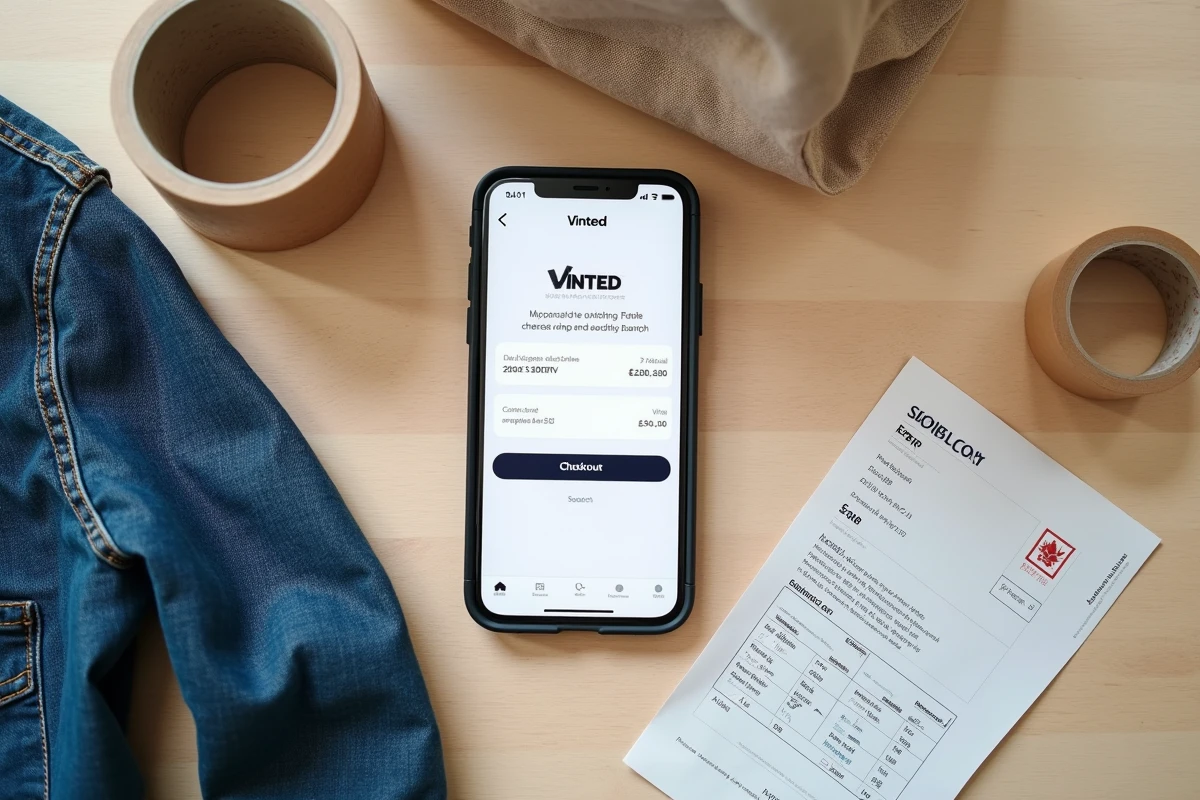
Discussions on forums and social networks reveal a recurring grievance: sellers receive nothing from the shipping fees or Buyer Protection. The amount paid to the seller corresponds only to the price of the item, minus any fees if the seller has subscribed to promotional options. The buyer pays a significant surcharge, the seller does not benefit from it, and Vinted captures the entire intermediate margin.
The trap of comparing with direct shipping
Some users compare Vinted fees with the rate they would obtain by shipping a package themselves via the carrier’s website. This comparison is misleading in both directions. Vinted negotiates lower group rates than the public rate for small packages. However, the platform adds its layer of service fees, which often cancels out the logistical advantage for the buyer.
The real point of friction lies in the impossibility of circumventing the system. Since Vinted removed the option for untracked shipping and made Buyer Protection mandatory, no transaction can escape service fees. This obligation, justified by securing exchanges, also locks in the platform’s economic model.
The controversy surrounding Vinted shipping fees is therefore not just a simple postal pricing issue. It reflects a structural tension between a marketing positioning focused on accessible second-hand goods and a revenue model that relies on proportional fees applied to each transaction, including the most modest ones.