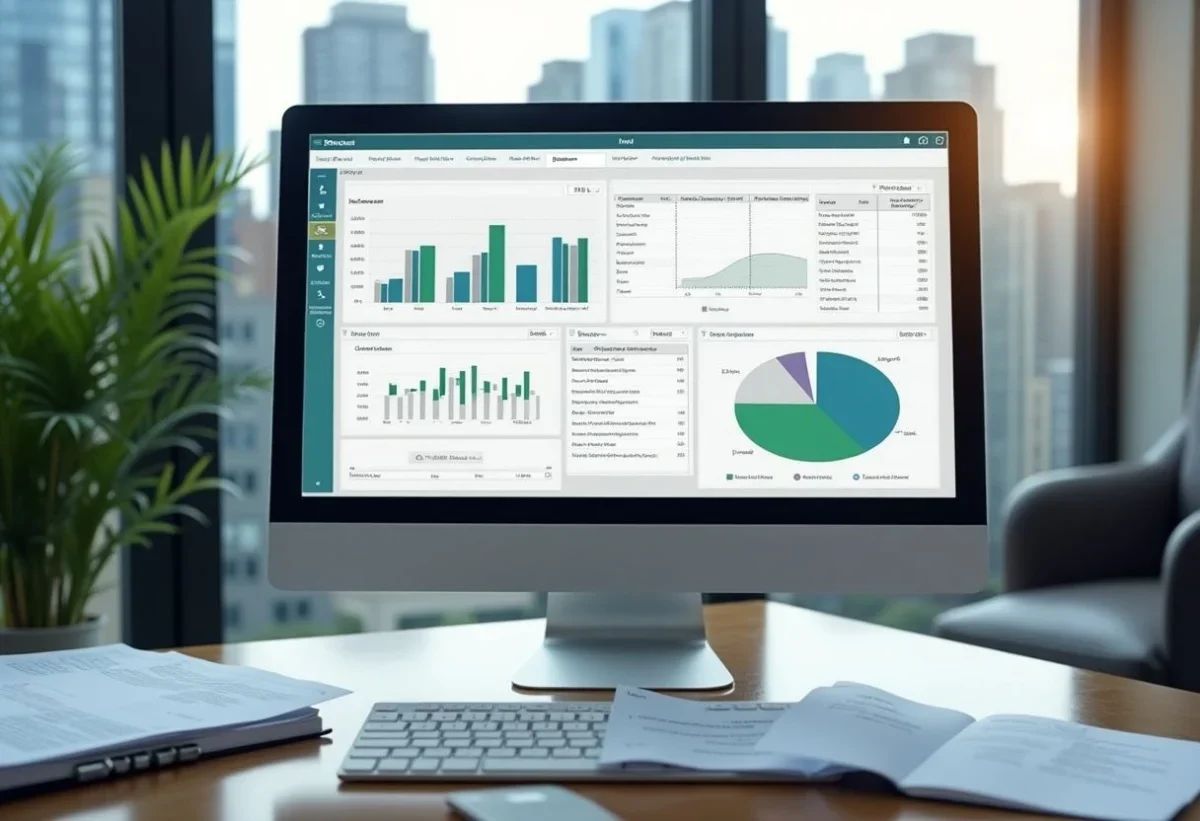
In a world where real estate is constantly evolving, the need to ensure the safety and compliance of buildings is more important than ever. Every real estate transaction requires an accurate assessment to ensure that the property meets all legal and safety requirements. This is where property diagnostics come into play, a field made much more efficient thanks to the advent of specialized software. These digital tools, which combine advanced technology and human expertise, are revolutionizing the way diagnostics are performed, offering unmatched precision and speed.
What is real estate diagnostic software?
The real estate diagnostic software is a computer tool designed to facilitate the execution of the technical diagnostics necessary for the sale or rental of a property. It allows diagnosticians to centralize and structure the information collected on-site.
These software programs generally integrate several key features:
- Data management: Collection and storage of essential information regarding the property.
- Report generation: Automatic creation of reports that comply with legal standards.
- File tracking: Management of client files and history of interventions.
An effective real estate diagnostic software stands out for its ability to adapt to regulatory and technological changes, thus ensuring diagnosticians increased efficiency and reduced risk of errors.
The benefits of using real estate diagnostic software
Using dedicated software offers numerous advantages for real estate diagnostic professionals, making their daily tasks easier and improving their productivity.
- Time savings: Automation of processes, reducing the time spent on each diagnostic.
- Precision: Reduction of human errors through digital data entry.
- Compliance: Continuous updates of regulations, ensuring diagnostics are always compliant.
- Accessibility: Real-time access to information, facilitating communication between teams.
The improvement in the quality of diagnostics thanks to these software programs results in increased client satisfaction and a strengthening of the credibility of diagnosticians.
How to choose the right real estate diagnostic software
Given the multitude of options available on the market, choosing a real estate diagnostic software can seem complex. It is essential to consider several criteria to select the tool best suited to your specific needs.
First, evaluate the features offered by the software. Ensure that it covers all aspects of real estate diagnostics, from thermal calculations to lead or asbestos detection. Next, ease of use is crucial: an intuitive interface and smooth navigation enhance the efficiency of daily operations. It is also vital to consider technical support and regular updates, ensuring the software’s longevity and compliance with legislative changes.
Finally, cost can be a determining factor, but it should not be the only criterion. Investing in robust and reliable software can lead to long-term savings by optimizing processes and reducing the risk of incidents.
The impact of real estate diagnostic software on the market
The development and growing adoption of real estate diagnostic software are gradually transforming the sector. Their influence is felt at various levels, both for professionals and for players in the real estate market.
For diagnosticians, these digital tools represent a major asset in terms of competitiveness and efficiency. They not only optimize operations but also enhance the reliability of the diagnostics provided. This improvement in service quality translates into increased client satisfaction and trust from real estate agents, property owners, and potential buyers.
Moreover, the use of real estate diagnostic software contributes to the modernization of the sector by integrating innovative technologies such as artificial intelligence and big data. These advancements open up new perspectives in terms of diagnostic precision and anticipation of potential problems.